Flood Damage Cleanup in Lake County County, IL
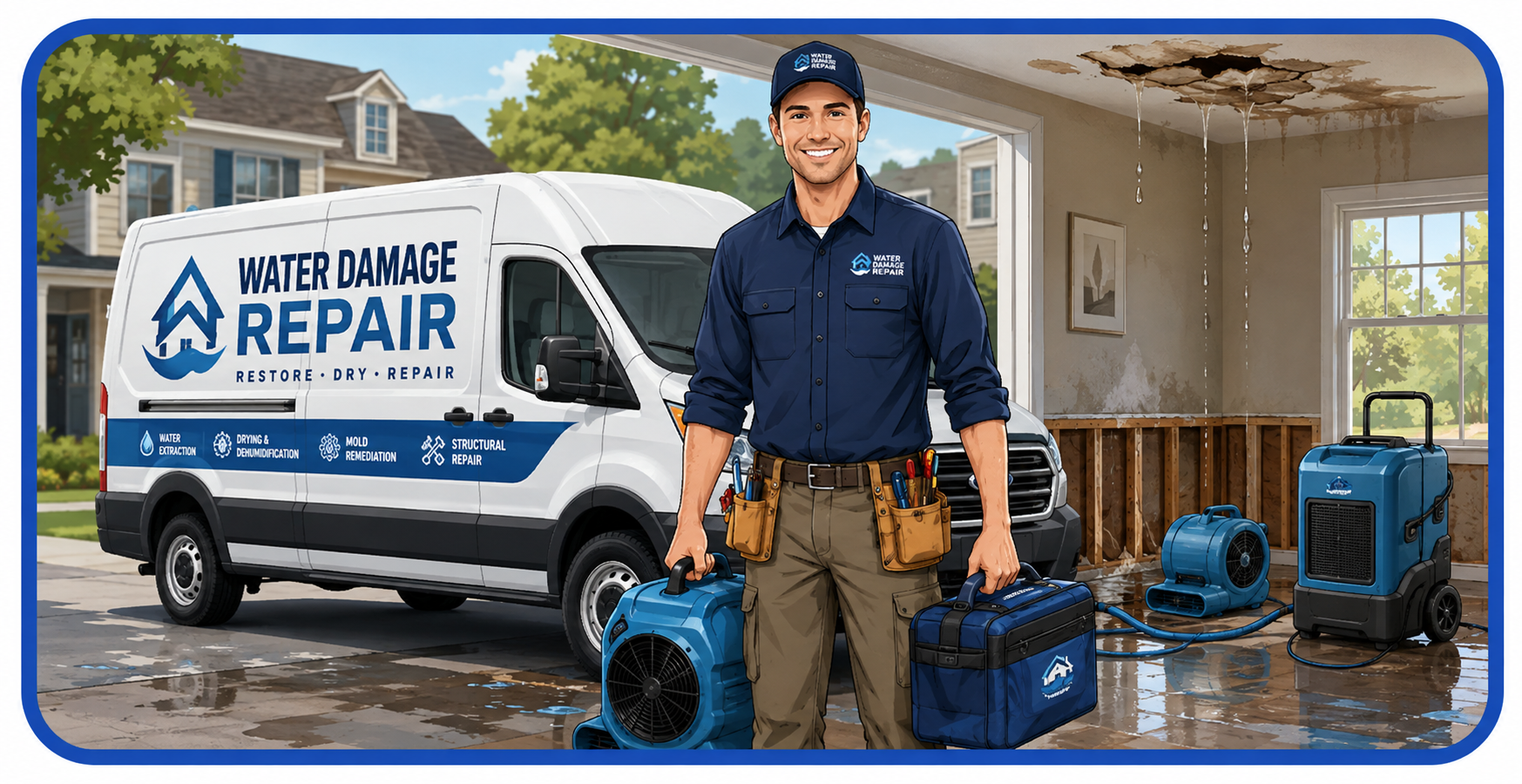
Homes and businesses throughout Lake County deal with the same thing at some point: water where it shouldn't be. One call connects you with an independent, licensed and insured local contractor who can get there quickly and start pulling water out.
- Licensed & insured independent pros
- Answered 24/7, holidays included
- Free referral, no obligation
- Written estimate before work starts
A Trusted Referral Network for Flood Damage Cleanup in Lake County County, IL
Water Damage Westchase connects homeowners, renters, landlords and business owners throughout Lake County with independent water damage contractors who already work in the county. When water is still spreading across the floor, that local presence makes a real difference. A contractor based nearby doesn't need to cross half the state to reach you, and usually knows the common trouble spots, from the subdivisions with aging plumbing to the low-lying streets that take on water when a big storm stalls overhead.
Here's how it works, in plain terms. Water Damage Westchase is a free referral service, not a restoration company. When you call, a dispatcher asks a few quick questions: where the water is coming from, whether it's still running, how many rooms are wet, and whether the power is still on in the affected area. Then you get routed to an independent contractor near you who handles that type of job. You speak with that contractor directly, get their estimate and decide whether to hire them. You never pay us anything.
Why does speed matter so much? Because the first few hours decide how big the final bill gets. Drywall wicks water upward like a paper towel. A soaked carpet pad starts to smell sour within a day. Swollen baseboards and door casings can split as they dry. And once materials stay wet for 24 to 48 hours, mold growth becomes a real risk. Getting extraction equipment and dehumidifiers running early is often the difference between a few days of drying and tearing out half a room.
The contractors we route calls to are independent local businesses. They carry their own licenses where their state requires them, along with their own insurance. Many have training in water damage restoration standards, such as the IICRC guidelines most of the industry follows. Still, you should always verify. Ask the contractor for their license (if your state issues one for this work), proof of liability insurance and a written estimate before any work begins. A legitimate pro will be glad to show you.
You could search online and call down a list, of course. Plenty of people do, and it often goes the same way: voicemail at the first number, a national call center at the second, and a company two counties away at the third who can maybe come tomorrow afternoon. Meanwhile the water keeps moving. A single dispatch line cuts that loop down to one call. You describe the problem once, and the next voice you hear belongs to someone who can actually come out. It also means you're dealing with a local business you can call back about the rebuild, the final moisture readings or a question from your adjuster weeks later.
The phone line is staffed around the clock, 365 days a year. That includes Christmas Eve, the Fourth of July and three in the morning on a Tuesday, which, if you ask anyone who has worked dispatch, is exactly when water heaters like to fail.
Flood Damage Cleanup Services in Lake County County, IL
No two water damage jobs look exactly alike. A leaking dishwasher is a very different problem from a sewer backup or a flooded office suite, and each one needs the right equipment, the right safety precautions and a contractor who has handled it before. These are the main types of work the independent pros in our network take on throughout Lake County.
Emergency Water Damage Response
This is the call nobody wants to make: water is actively spreading and you need someone now. Emergency response covers the first and most urgent phase of the job, which the industry calls mitigation. The goal is simple: stop the damage from getting worse.
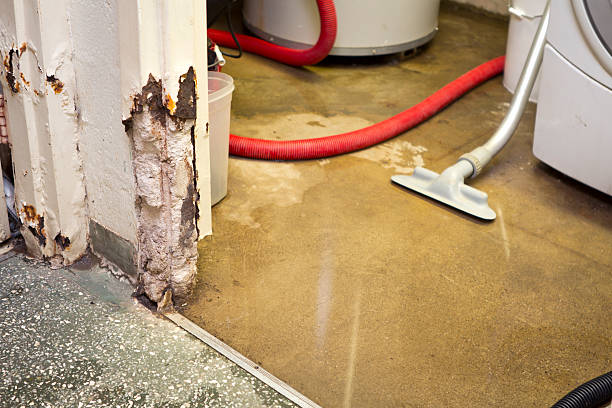
A typical emergency visit starts with finding the source and making sure it's stopped, whether that means capping a broken supply line, shutting down a failed water heater or tarping a damaged roof section. Then comes extraction. Truck-mounted or portable extractors pull standing water out of carpet, pad and hard floors far faster than any shop vac. After that, the contractor sets up commercial air movers and dehumidifiers to start pulling moisture out of the structure.
- Standing water removal with truck-mounted and portable extractors
- Leak source isolation and temporary repairs
- Emergency board-up and roof tarping when weather is involved
- Moisture mapping with meters and thermal cameras
- Drying equipment set up the same day
Many emergency calls get a pro on site within about an hour, but the honest answer always depends on the time of day, the weather and how many emergencies are already open nearby.
Residential Water Damage Repair
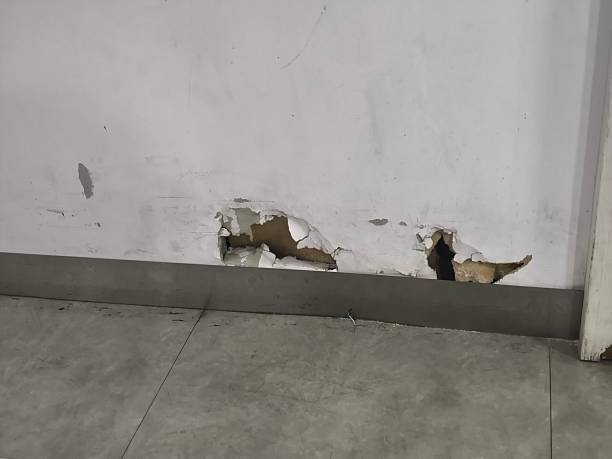
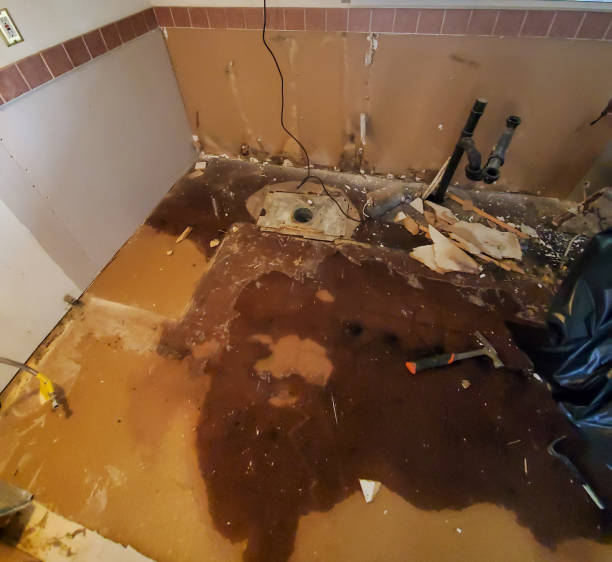
Homes take on water in dozens of ways: a cracked toilet tank, an ice maker line that was pinched behind the fridge, a washing machine hose that finally burst, a slow drip under the bathroom vanity that rotted the subfloor before anyone noticed. Residential water damage repair covers both the drying and the rebuilding that follows.
Once the structure is dry and verified with moisture readings, the contractor moves into the repair phase. That can mean replacing the bottom two feet of drywall (a "flood cut"), installing new baseboards and trim, repairing or replacing flooring, refinishing cabinets and repainting. A good contractor will document everything with photos and moisture logs so your insurance adjuster has what they need.
- Kitchen, bathroom and laundry room leaks
- Ceiling and attic damage from roof or plumbing leaks
- Basement and crawlspace water removal
- Drywall, insulation, trim and flooring replacement
- Hardwood floor drying with specialty panel systems
Renters should notify their landlord right away, but don't let a slow reply hold up the drying.
Commercial Water Damage Repair
For a business, water damage is a downtime problem as much as a property problem. Every hour a store, restaurant, office or warehouse stays closed costs money. Commercial water damage work is built around getting operations back up quickly while still drying the building properly.
Commercial jobs tend to be bigger and more complicated: fire sprinkler discharges, roof drain backups, broken chiller lines, flooded server rooms, multi-unit leaks that travel down through several floors. Contractors who handle commercial work bring larger extraction units, more drying equipment and the ability to work after hours or in phases so part of the building can stay open.
- Retail, office, restaurant, warehouse and medical properties
- Apartment buildings, HOAs and multi-unit complexes
- After-hours and phased work to limit closures
- Detailed moisture documentation for insurance and property managers
- Contents moving, pack-out and storage
If you manage several properties, one number covers all of them.
Specialized Water Damage Solutions
Some water damage needs more than extraction and fans. Sewage backups, river or storm flooding and long-term hidden leaks involve contamination, health risks or structural concerns that call for specialized procedures.
Water from a sewer line or outside flooding is considered Category 3 (often called black water) under industry standards. That means porous materials like carpet, pad and drywall usually have to be removed and disposed of, not dried and saved. Crews wear protective gear, set up containment, apply antimicrobial treatments and use HEPA air scrubbers. Hidden leaks inside walls or under slabs often need thermal imaging and careful demolition to find and dry the affected areas.
- Sewage and toilet overflow cleanup
- Storm, flood and groundwater damage
- Mold-risk areas and post-leak remediation referrals
- Structural drying of framing, subfloors and concrete
- Odor control and sanitizing
Never handle sewage water without protective gear. Keep kids and pets away from the area until it's been cleaned.
Other Water Damage Calls We Route Every Day
Burst & Frozen Pipes
Copper pinhole leaks, split PEX, frozen lines in exterior walls and crawlspaces. The fix covers both the pipe and the water it dumped.
Appliance Leaks
Water heaters, dishwashers, washing machines, fridge lines and AC condensate pans. These are some of the most common causes of indoor water damage.
Roof & Ceiling Leaks
Wet insulation, stained or sagging drywall, and attic decking that needs to be dried out before the roof is repaired.
Basements & Crawlspaces
Sump pump failures, foundation seepage and standing water under the house that raises humidity throughout the whole building.
Hardwood & Flooring
Cupped or crowned hardwood, lifting laminate and wet subfloors. Specialty drying mats can often save floors that look ruined.
Contents & Pack-Out
Moving furniture, documenting damaged items and packing out belongings so the structure can dry and be repaired properly.
How Pros Size Up a Water Damage Job
When an experienced contractor walks into a wet building, two questions shape everything that follows: how dirty is the water, and how much has it soaked into? The industry answers those with water categories and damage classes, terms you'll probably hear during the assessment and see on your estimate.
Category 1 (clean water) comes from a sanitary source, like a broken supply line, an overflowing sink or a rain-soaked window frame. Category 2 (gray water) has some contamination: dishwasher or washing machine discharge, toilet overflow with urine but no feces, aquarium water. Category 3 (black water) is grossly contaminated, including sewage, river or storm flooding and any water that has sat long enough to grow bacteria. Here's the catch most people don't know: clean water doesn't stay clean. After a couple of days sitting in carpet and drywall, a Category 1 loss can degrade into Category 2 or 3, which means more material has to be removed instead of dried.
Damage classes describe how much evaporation the job needs. Class 1 is a small area with little absorption, like part of a room with a vinyl floor. Class 2 involves a whole room, with carpet and water wicking up to around two feet on the walls. Class 3 is the wettest, with water from overhead soaking ceilings, walls, insulation and floors. Class 4 covers the hard-to-dry materials, like hardwood, plaster, brick and concrete, that need lower humidity and more time.
Why should you care? Because category and class decide how much equipment goes in, what gets thrown away and how long drying takes, and they drive most of the cost. If an estimate seems high or low, ask the contractor which category and class they assigned and why. A pro who knows the work will explain it in a couple of minutes.
Water still spreading? Call now.
One call reaches an independent, licensed and insured local pro throughout Lake County, day or night.
Four Steps From Wet to Dry
No online forms and no waiting around for a callback. The whole process starts with one phone call and moves at the speed water damage needs.
Call Dispatch
Call +1-844-499-0972. A dispatcher asks where the water is coming from, how much area is affected and whether it's still running. That takes two or three minutes, and it helps send the right kind of pro with the right equipment.
Rapid Local Arrival
You're connected with an independent contractor who works your part of Lake County. They'll confirm an arrival window and tell you what to do in the meantime, such as where to find your main shut-off or which breakers to flip.
Assessment & Estimate
The contractor finds the source, maps moisture with meters and thermal imaging, and explains what's wet and what can be saved. You get a written estimate before any work starts, and you're free to say no.
Drying & Repair
Extraction, drying, daily moisture checks and, when the structure is dry, repairs. Most homes take three to five days to dry, depending on how much water there was and what it soaked into.
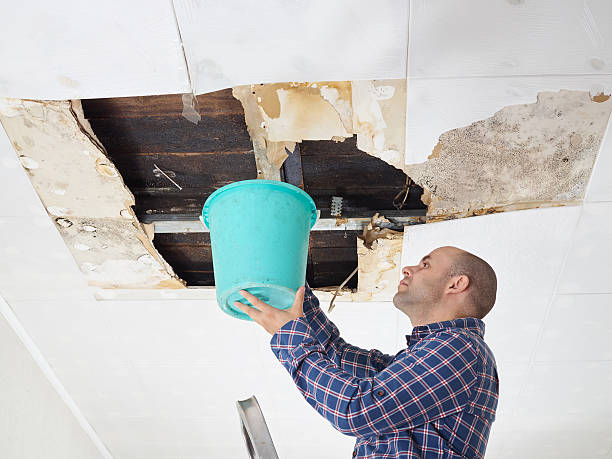
What a good drying job looks like
A proper job is measured, not guessed. The contractor should take moisture readings on the first visit, record them and check them again every day until the materials hit their dry standard, which is usually the reading from an unaffected area of the same material. Ask to see the drying log. If equipment gets pulled after a day or two without readings, that's a red flag.
You'll hear a steady hum from air movers and dehumidifiers while the job runs. It's loud and the room will feel warm, but those conditions are what pull moisture out of drywall, framing and subfloors. Try not to switch the equipment off overnight, since that slows everything down.
Signs of Hidden Water Damage Worth a Call
Not every water problem announces itself with a puddle. Some of the most expensive jobs start with a slow leak that runs for weeks inside a wall, under a slab or above a ceiling before anyone notices. Here are the signs that most often lead to a call:
- A water bill that jumps without any change in how you use water
- Paint that bubbles, peels or looks blistered near baseboards or ceilings
- Soft spots in the floor around toilets, tubs, dishwashers or the fridge
- A musty, earthy smell in a closet, cabinet or basement corner that won't go away
- Brown rings or yellow stains spreading on the ceiling
- Laminate or vinyl plank flooring that lifts, gaps or feels spongy
- The sound of running water when every fixture is off
- Warm spots on a tile or concrete floor, which can point to a hot-water slab leak
If you notice two or more of these together, it's worth having someone check with a moisture meter and thermal camera. Finding a hidden leak early usually means drying a small section instead of replacing a whole wall, floor or cabinet run. A quick check now is almost always cheaper than a big tear-out later.
Why Property Owners Call Water Damage Westchase for Flood Damage Cleanup in Lake County County, IL
There are plenty of restoration companies out there, and some of them are great. The hard part is finding a good one at two in the morning while water is coming through the ceiling. That's the exact problem this service is built for.
Upfront, Written Estimates
The contractor explains the scope and gives you a written estimate before work begins. No surprise line items after the fact. If insurance is involved, most pros price with the same estimating software adjusters use, which keeps claims moving smoothly.
Fast Response Times
Water damage spreads by the hour, so our dispatch is built around speed. Calls get routed in minutes, and many contractors can arrive within about an hour of your call. When storms back everyone up, we'll tell you plainly.
Local Dispatch, Not a Call Center Maze
Your call goes to an independent pro who works your part of Lake County, someone who knows the area, can get there quickly and will still be around if you need follow-up work next month.
Licensed & Insured Independent Pros
Contractors in our network carry their own licensing where required and their own insurance. We encourage every caller to ask for proof. It takes thirty seconds and protects you.
No Pressure, No Obligation
The referral is free. You can hear the estimate, ask questions and decide not to go ahead. Nobody should feel cornered into signing anything while standing in a wet kitchen.
Insurance-Ready Documentation
Photos, moisture readings, equipment logs and itemized estimates are what adjusters ask for. Experienced water damage pros produce them as a normal part of the job.
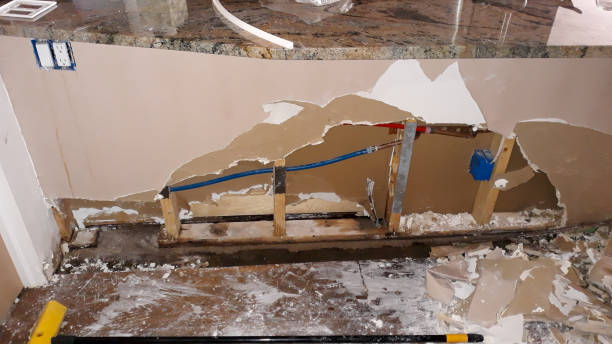
A dispatcher's honest advice
Call your insurance company the same day, but don't wait for an adjuster before starting mitigation. Most policies expect you to take reasonable steps to prevent further damage, and waiting days for drying equipment can make things worse and complicate the claim. Keep every receipt and take photos before anything is thrown away.
What Callers Say About the Pros They Were Connected With
Our water heater split at about 1 a.m. and flooded the garage and half the laundry room. I called expecting voicemail and got a real person. The contractor showed up a little after two, had the water out by four and set up drying equipment before sunrise. He also walked me through what to tell my insurance company.
Melissa K.Homeowner, Lake County County, ILI manage three small retail buildings, and a roof drain backed up into one of them during a storm. The contractor worked overnight so the tenant could open the next afternoon. Moisture readings every day, photos of everything. That made the claim easy.
Derrick W.Property manager, Lake County County, ILThe supply line to our upstairs toilet broke while we were at a soccer tournament. We came home to water coming through the dining room light fixture. The pro we were connected with was honest about what could be saved and what couldn't, and the estimate matched the final bill.
Andrea and Tom P.Homeowners, Lake County County, ILSewer line backed up into our finished basement. Not fun. The crew showed up in full protective suits, set up plastic sheeting, and removed the carpet and the bottom of the drywall. They explained why it couldn't just be dried. Very professional about a gross job.
Ray J.Homeowner, Lake County County, ILI rent, and my landlord wasn't answering on a Saturday night. The contractor started extraction, documented everything and sent the photos to my landlord and me. Having that record made the conversation on Monday a lot easier.
Priya S.Renter, Lake County County, ILOur hardwood was cupping after a dishwasher leak and I assumed it was a total loss. They put down drying mats and ran dehumidifiers for four days. Most of the floor came back flat. Saved us thousands.
Gary L.Homeowner, Lake County County, ILFlood Damage Cleanup Questions, Answered
How fast can a Flood Damage Cleanup technician arrive in Lake County County, IL?
In many areas, an independent contractor can be at your door within about an hour. The real answer depends on where the nearest available pro is, the time of day and how many emergencies are already running. After a big storm, every crew in the region gets busy at once. The dispatcher will give you a realistic arrival window before you hang up. If timing matters for a decision you're making, ask for it directly.
Do you provide upfront pricing?
Yes, you get a written estimate from the contractor before work begins. Water damage pricing usually depends on the square footage affected, how much water there was, the category of water (clean, gray or black), how much equipment is needed and how many days of drying the job takes. If you're filing an insurance claim, many contractors bill using the same software adjusters use. The referral itself never costs you anything.
What emergency services are available?
Emergency extraction, temporary leak repairs, drying setup, board-up and tarping are all available 24/7. Many contractors also handle sewage cleanup, content pack-out and moisture mapping on the first visit. If there's a gas smell, sparking or water near your electrical panel, leave the building and call your utility or 911 first. Then call us.
Is Water Damage Westchase the company that does the work?
No, we're a referral service, not a contractor. We connect you with independent local contractors who run their own businesses and carry their own licensing and insurance. You hire the contractor directly, and your agreement is with them. Before any work starts, ask to see their license and proof of insurance.
Will my homeowners insurance cover water damage?
That depends on your policy and what caused the water. Most standard homeowners policies cover sudden and accidental water damage, like a burst pipe or failed appliance. They usually don't cover long-term leaks or flooding from outside, which typically requires separate flood insurance. Call your insurer the same day, take photos and keep damaged items until the adjuster sees them if you can do so safely. Your contractor's moisture logs will help support the claim.
How long does it take to dry out a house after water damage?
Usually three to five days for typical residential jobs. Larger losses, hardwood floors, plaster walls and concrete slabs can take longer. The contractor should check moisture readings daily and only remove equipment once materials reach their dry standard. Repairs like drywall and flooring come after that. Cutting the drying short is how mold problems start.
What should I do before the contractor arrives?
Shut off the water at the main valve if you can reach it safely. Turn off power to the wet areas at the breaker panel, but only if you don't have to stand in water to do it. Move electronics, rugs, papers and valuables to a dry spot, prop furniture legs on foil or wood blocks, and take plenty of photos. Don't use a household vacuum on standing water.
Can I stay in my home while it dries?
Usually, yes, for clean-water jobs. The drying equipment is noisy and warm, but it's safe to be around. For sewage backups, major flooding or situations where mold is present, the contractor may recommend staying elsewhere until the area is cleaned and contained. Ask them what makes sense for your household, especially with small kids, older relatives or anyone with breathing issues.
Do I have to throw away wet carpet?
Not necessarily. With clean water caught early, carpet can often be dried in place or floated and dried, though the pad underneath usually gets replaced because it holds water like a sponge. With gray water that sat for a while, or any sewage or floodwater, the carpet and pad almost always have to go for health reasons. Once the contractor has checked the water source and taken readings, they'll be able to tell you which applies.
Can you help if I already see mold?
Yes, a lot of the pros we work with handle both water damage and mold. If the leak has been going for a while, there's a good chance some growth has started behind drywall or under flooring. The contractor will usually contain the area with plastic sheeting and negative air pressure, remove affected materials, clean and treat what remains and dry everything out. Some states require separate licensing for mold work, so ask about that too.
Which parts of Lake County do you serve?
All of Lake County, including the unincorporated areas between towns. The city list below covers the main communities and their zip codes, but coverage often extends further. If you're on a rural route or a newer development that doesn't show up on the list, call and the dispatcher will check in seconds. Asking costs nothing.
Where We Connect You With Flood Damage Cleanup Pros
Water damage calls come in from every part of Lake County: older neighborhoods near the center of town, newer subdivisions on the edges, apartment complexes, office parks and rural properties on well water. The independent contractors in our network cover the whole county, so a single call reaches someone who can get to you.
Some parts of the county see more of certain problems than others. Low-lying areas tend to get groundwater and storm runoff in basements and crawlspaces. Older homes are more likely to have corroded supply lines, original cast iron drains and aging water heaters. Commercial strips see sprinkler-line breaks and roof-drain backups. The pros working Lake County have handled all of it.
Landlords and property managers with several addresses in Lake County can use one number for all of them. Give the dispatcher the address that needs help, and the call goes to an independent pro who covers that part of the county. If you also have properties in neighboring counties, the same number works there too.
The city list below shows the communities in Lake County we serve, along with their zip codes. If you don't see your town, call anyway. Coverage often reaches beyond the list.
Ready when the water isn't.
Free, no-obligation referral to independent local pros, any hour of the day or night.