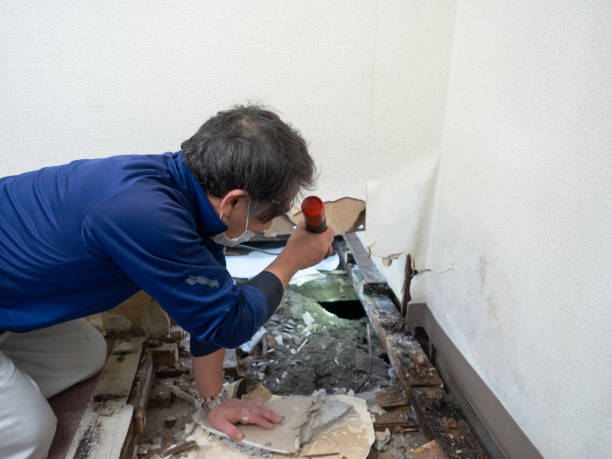
Structural Drying in Washington, DC
Fans in the doorway won't dry a wet wall. Structural drying uses commercial dehumidifiers, air movers and daily moisture readings to dry framing, subfloors and drywall all the way through. One call connects you with an independent, licensed and insured pro around Washington.
- Daily moisture & humidity logs
- Licensed & insured independent pros
- 24/7 dispatch
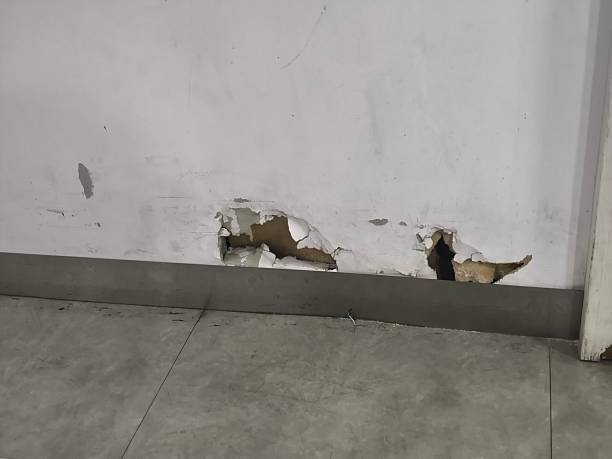
Why Callers Trust Water Damage Westchase for Structural Drying in Washington, DC
Structural drying is part science, part patience. The goal is to bring wet building materials back to their normal moisture level, called the dry standard, without leaving hidden moisture that leads to mold or over-drying materials until they crack. That takes the right equipment, the right setup and someone checking readings every single day.
Measured Drying, Not Guesswork
Pros record moisture readings and air conditions on the first visit and every day after, so you can see exactly how drying is progressing and when it's done.
Upfront Equipment Pricing
Drying is usually billed per piece of equipment per day, plus monitoring visits. You'll see the equipment count and expected drying days on a written estimate.
Fast Local Dispatch
Wet framing and subfloors start growing mold within days. Calls are routed in minutes to an independent pro working near Washington.
Licensed & Insured Independent Pros
The contractors we route calls to carry their own licenses where required and their own insurance. Ask to see both before equipment is set.
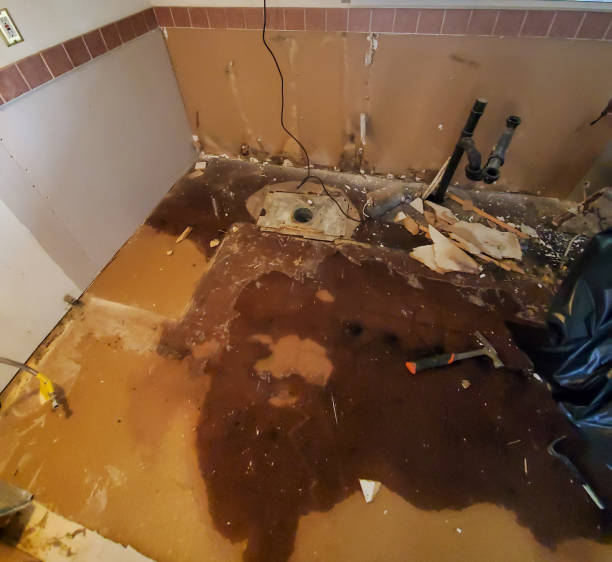
When structural drying is needed
- Walls read wet behind the baseboards after a leak was cleaned up
- A subfloor got soaked under carpet, tile or vinyl plank
- Water ran down inside walls from an upstairs bathroom or roof leak
- A concrete slab or basement floor is still damp days later
- Hardwood flooring is cupping and the subfloor underneath is wet
Professional Structural Drying in Washington
Every building material dries differently. These are the main drying methods independent pros use, and the situations each one is suited for.
LGR Dehumidification
Low-grain refrigerant dehumidifiers pull large volumes of moisture from the air, keeping humidity low so wet materials can release their water. They're the backbone of most drying jobs.
Desiccant Drying
For cold spaces, large commercial areas or very dense materials, desiccant units dry air to much lower humidity than refrigerant units can.
Air Mover Placement
High-velocity air movers are positioned along wet walls and floors to speed evaporation at the surface. Placement and angle matter more than how many fans you use.
Wall Cavity Drying
Small holes drilled behind baseboards let dry air be pushed into the wall cavity, drying studs and insulation without removing all the drywall.
Hardwood & Subfloor Drying
Panel mat systems pull moisture up through hardwood and subfloors, often saving flooring that would otherwise need to be replaced.
Concrete & Masonry Drying
Slabs and block walls hold a lot of water and release it slowly. Focused dehumidification and sometimes heat help move them toward normal moisture levels.
How a Drying Pro Sets Up a Drying Chamber
The key to structural drying is controlling the air around the wet materials. The pro begins by measuring temperature, relative humidity and the amount of moisture in the air (often recorded as grains per pound). Those numbers, along with readings from wet and dry materials, tell them how much dehumidification the space needs.
Next, they create a drying chamber by closing doors or hanging plastic sheeting to contain the wet area. That way, the dehumidifiers dry only the space that needs it instead of the whole house. Air movers are placed to sweep air along the wet surfaces, and dehumidifiers are positioned to capture the moisture-laden air.
Then comes daily monitoring. Each visit, the pro takes the same readings at the same marked spots and compares them to the dry standard. Equipment gets moved, added or removed as the job progresses, and areas that dry faster are released so the household can use them again. Pulling equipment too early leaves hidden moisture behind, while running it too long can over-dry wood and cause cracking or gaps. The log tells the pro when to stop.
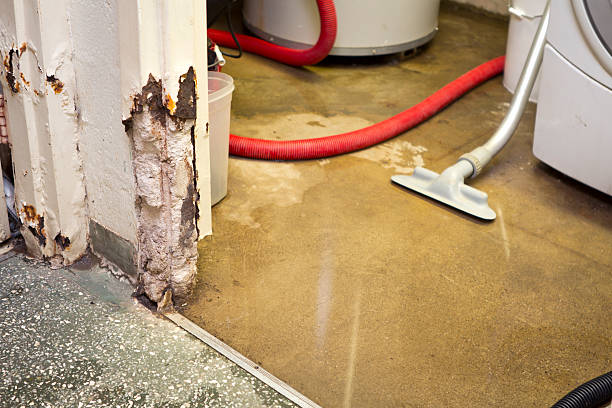
Is your structure really dry?
Get connected with an independent structural drying pro around Washington now.
How Structural Drying Help Gets to You
Four steps from wet framing to a verified dry structure.
Call Dispatch
Call +1-844-499-0972 and tell the dispatcher what got wet, when it happened and what's already been done. That helps route the right pro with enough equipment.
Rapid Mobile Arrival
An independent contractor near Washington arrives with meters, a thermal camera and drying gear, ready to set up the same day.
Expert Assessment & Quote
They map moisture, take baseline air readings, explain how many days drying should take and give you a written estimate covering equipment and monitoring.
Resolution & Final Walkthrough
Equipment runs around the clock with daily readings. Once materials reach the dry standard, equipment comes out and you get the drying log for your records.
What Washington Callers Say
Another company left fans running for two days and called it done. Our walls still smelled musty. The contractor we got through this line took readings, found the bottom plates were still wet, and dried them properly with daily checks. Smell's gone.
Andre T.Homeowner, Washington, DCI liked seeing the drying log every day. Numbers going down, clear target, and he pulled the equipment exactly when the readings hit dry. No guessing.
Kathy S.Homeowner, Washington, DCOur hardwood was cupped after a dishwasher leak. They used drying mats and a dehumidifier for four days and most of the boards flattened back out. Saved the floor.
Michael B.Homeowner, Washington, DCWater got into the subfloor of our second-story unit. They dried it from below through the ceiling cavity and from above with mats. Very methodical.
Linda P.Landlord, Washington, DCStructural Drying Questions From Washington Property Owners
How long does structural drying take?
Most residential jobs take three to five days. Dense materials like hardwood, plaster and concrete can take longer, and cold or humid weather can slow things down. The pro will give you an estimate after the first readings and update it as drying progresses. You'll see progress in the daily moisture log.
Can I turn off the drying equipment at night?
It's best to leave it running. Drying works by keeping humidity low around the clock. Turning equipment off lets moisture build back up in the air and in materials, which can add days to the job. If noise is a problem, ask the pro whether some units can be adjusted or moved. A little noise now beats a mold problem later.
Why is it so warm in the drying area?
The heat is part of how drying works. Warm, dry air pulls moisture out of materials faster. The room may feel uncomfortable, but it's normal. Keeping the area closed off helps the equipment work efficiently.
How do you know when the structure is dry?
By comparing moisture readings in wet materials to readings in the same type of material in an unaffected area. Once the wet materials match that standard, they're considered dry. That's recorded in the drying log. Ask for a copy of the final readings.
Will drying use a lot of electricity?
It does add to your electric bill for the days the equipment runs. Each dehumidifier and air mover draws power, and a large job can use several circuits. The pro will spread equipment across circuits to avoid tripping breakers. If you have an insurance claim, ask your adjuster whether the added electricity cost can be included. Keep your utility bill for that month.
Do you need to tear out drywall to dry the walls?
Not always. With clean water caught early, many walls can be dried in place using wall cavity drying systems. If the water was contaminated, if insulation is soaked or if the wall has a vapor barrier that traps moisture, removing some drywall may be necessary. The pro will explain what's needed after taking readings.
Structural Drying Coverage Around Washington
Independent structural drying pros in our network cover Washington and nearby communities, from older homes with plaster walls to new construction and commercial buildings. If you're not sure you're in range, call and the dispatcher will check.
Property managers and landlords can use the same number for all their properties. If a leak was cleaned up by someone else but walls or floors still feel damp, a drying pro can take readings and tell you whether more drying is needed before repairs move forward.
Zip codes covered around Washington include 20250 20010 20011 20012 20015 20520 20064 20418 20415 20388 20319 20020 20024 20510 20515 20591 20427 20422 20542 20540 20240 20245 20390 20005 20004 20003 20002 20001 20009 20008 20016 20317 20059 20057 20052 20017 20018 20565 20566 20560 20220 20551 20019 20230 20373 20260 20007 20006 20032 20036 20037 20204 20431 20045 20408 20535 20530 20013 20022 20026 20027 20029 20030 20033 20035 20038 20039 20040 20042 20043 20044 20047 20049 20050 20053 20055 20056 20058 20060 20061 20062 20063 20065 20066 20067 20068 20069 20070 20071 20073 20074 20075 20076 20077 20078 20080 20081 20082 20090 20091 20201 20202 20203 20206 20207 20208 20210 20211 20212 20213 20214 20215 20216 20217 20218 20219 20221 20222 20223 20224 20226 20227 20228 20229 20232 20233 20235 20237 20238 20239 20241 20242 20244 20251 20252 20254 20261 20262 20265 20266 20268 20270 20277 20289 20299 20301 20303 20306 20310 20314 20318 20330 20340 20350 20355 20370 20372 20374 20375 20376 20380 20389 20391 20392 20393 20394 20395 20398 20401 20402 20403 20404 20405 20406 20407 20410 20411 20412 20413 20414 20416 20417 20419 20420 20421 20423 20424 20425 20426 20428 20429 20433 20434 20435 20436 20437 20439 20440 20441 20442 20444 20447 20451 20453 20456 20460 20463 20468 20469 20470 20472 20500 20501 20502 20503 20504 20505 20506 20507 20508 20509 20511 20521 20522 20523 20524 20525 20526 20527 20528 20529 20531 20533 20534 20536 20537 20538 20539 20541 20543 20544 20546 20547 20548 20549 20552 20553 20554 20555 20557 20559 20570 20571 20572 20573 20575 20576 20577 20578 20579 20580 20581 20585 20586 20590 20593 20594 20597 20599 56901 56902 56904 56908 56915 56920 56933 56935 56944 56945 56950 56965 56967 56972 56998 56999.